 pauline
Assessing Your Patio Furniture: The First Step
Before you even think about tackling the task of winterizing, take a good look at your patio furniture. What materials are they made of? Wood, wicker, metal, plastic, or a combination? Knowing the material is crucial, as each requires a slightly different approach to winter protection. Also note the condition of your furniture. Are there any loose screws, damaged cushions, or areas of significant wear and tear that need attention before winter sets in? Addressing these issues now will prevent further damage and make spring cleaning much easier.
Cleaning Your Patio Furniture: A Thorough Prep
A clean surface is vital for effective winter protection. Dust, dirt, and debris can trap moisture and accelerate deterioration. Begin by sweeping or brushing away loose dirt. Then, depending on your furniture’s material, use a suitable cleaner. For wood, a gentle soap and water solution is usually sufficient. Metal furniture may need a more robust cleaner to remove stubborn stains and rust. Wicker might require a specialized cleaner, and plastic furniture often just needs a simple wipe-down. Always rinse thoroughly and allow the furniture to completely dry before proceeding to the next step. Remember to check manufacturer’s instructions for recommended cleaning products.
Protecting Wood Furniture from Winter’s Harshness
Wooden patio furniture is particularly susceptible to moisture damage during winter. After cleaning and drying, consider applying a wood sealant or protective oil. This will help prevent water absorption and cracking. If your furniture already has a protective finish, you might need only to touch up any worn or damaged areas. Once the sealant is applied and fully dried, cover the furniture with a waterproof cover. Avoid using plastic covers that don’t allow for air circulation, as this can trap moisture and lead to mold or mildew. Instead, opt for breathable, water-resistant covers made of canvas or other durable fabrics.
Safeguarding Metal Furniture Against Rust and Corrosion
Metal patio furniture is prone to rust and corrosion in damp conditions. After cleaning, inspect your metal pieces carefully for any signs of rust. If you find any, remove it with a wire brush and apply a rust remover. Once the rust is gone, apply a protective coat of paint or rust-preventative spray. This will create a barrier against moisture and help prolong the life of your furniture. Covering metal furniture with a protective cover is also recommended to further shield it from the elements. Consider using a cover designed for outdoor furniture, as these typically provide better protection against the elements than ordinary tarps.
Caring for Wicker and Other Woven Materials
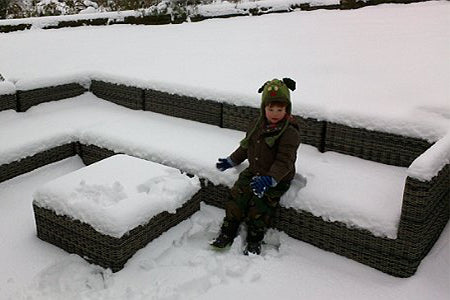
Wicker and other woven materials need special care during winter. Similar to wood, they are susceptible to moisture damage. After thorough cleaning and drying, use a protective sealant designed specifically for wicker or similar materials. This sealant will help repel moisture and prevent the fibers from becoming brittle or damaged. Store wicker furniture in a dry, covered area whenever possible, or if that’s not an option, use a sturdy, waterproof cover that allows for good airflow. Avoid heavy, wet coverings that might crush or warp the wicker.
The Importance of Cushion Care
Don’t forget about your cushions! These are especially vulnerable to moisture and mildew. Before storing, remove any loose dirt or debris from the cushions. If they are machine washable, launder them according to the care instructions. Air dry them thoroughly before storing. If the cushions aren’t machine washable, spot clean them carefully using a mild detergent and a soft brush. Once completely dry, store cushions in a dry, well-ventilated place. Waterproof storage bags are a great solution, allowing for some air circulation while keeping out moisture and dust.
Storing Your Furniture: Finding the Right Spot
Proper storage is key to keeping your patio furniture in good condition throughout the winter. Ideally, store your furniture in a dry, sheltered space like a garage, shed, or basement. If indoor storage isn’t an option, choose a location that is relatively sheltered from the elements, such as under a covered porch or patio. Even when using covers, minimizing direct exposure to rain, snow, and wind is crucial to extend the life of your patio set. Remember, proper storage, combined with the other steps, will help your patio furniture survive the winter and look great when spring arrives.
Protecting Your Investment: Regular Maintenance Matters
Winterizing your patio furniture isn’t just a one-time task. Regular maintenance throughout the season will ensure its longevity and appearance. Check your covered furniture periodically to ensure the covers remain intact and are doing their job. If you notice any signs of damage or moisture buildup, address them promptly. Taking care of your patio furniture throughout the year will ensure you can continue to enjoy it for many seasons to come.


